How to Build a 30-Day Glow-Up Routine You’ll Actually Keep
A 30-day glow-up routine should not begin with thirty new habits. Start with the parts of getting ready that already work, one task you keep postponing and one change you would genuinely like to maintain.
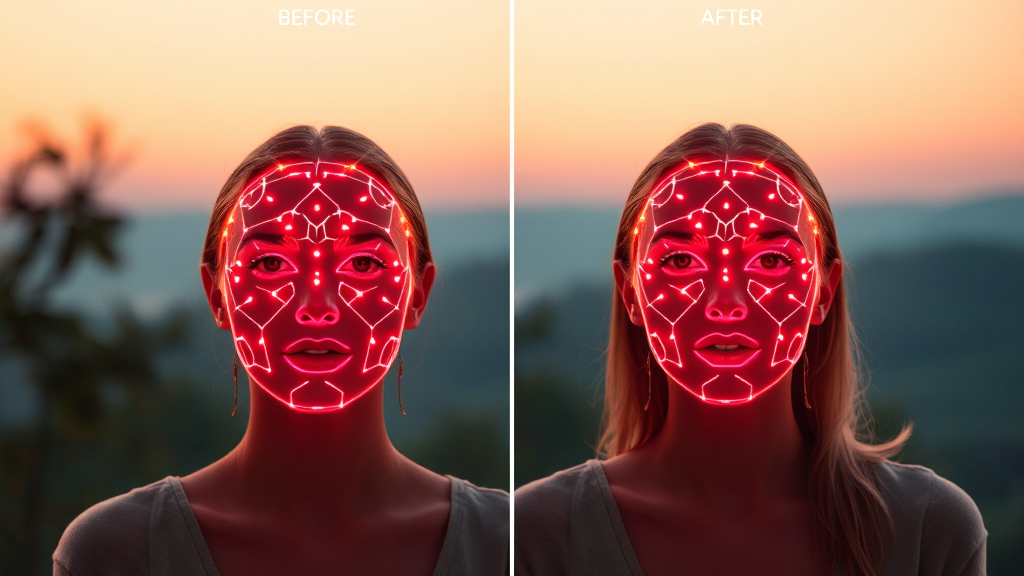
The purpose of the month is to build a usable routine, not to produce a dramatic before-and-after photograph. Thirty days is a planning window. It is not a promise that your skin, hair or face will change by a deadline.
A simple system has three rhythms: daily basics, a weekly reset and an end-of-month review. Giving each task the right rhythm stops a manageable plan from becoming an everyday checklist of everything you could possibly improve.
Choose a priority you can recognise in daily life
Replace “look better” with a task you can evaluate: make the morning less rushed, keep an existing skincare routine consistent, find a manageable hairstyle, or organise the products you actually use. Choose only one main priority for this month.
Write down the reason it matters. “I want to get ready without searching for things” leads to different actions from “I want a haircut that needs less styling”. Both are clearer than a generic list copied from someone whose schedule and preferences are different.
Then set a time and spending limit. A ten-minute routine that fits your morning is more useful than an elaborate one you repeatedly abandon. Keep the first week as a no-shopping period unless an essential item genuinely needs replacing.
Build a small daily minimum
List the basic care and grooming you already tolerate and want to maintain. Do not add a new product simply to make the checklist look complete. The American Academy of Dermatology’s budget advice centres on cleansing, moisturising and sun protection, and warns that using multiple products can cause irritation. [1]
For outdoor sun protection, its sunscreen guidance recommends broad-spectrum, water-resistant SPF 30 or higher. Reapply about every two hours while outdoors and after swimming or sweating. This is a health habit, not a promise that sunscreen will create a visible transformation within a month. [2]
Make the rest personal and practical: brush or style your hair as you normally do, prepare what you need for the day and put used items back where they belong. Your daily minimum should describe essential actions, not an ambitious full beauty session.
Give the routine a realistic place in your day
Choose where each action belongs rather than relying on an undefined intention to “be consistent”. Put the morning essentials together. Give evening products a home near the place you use them. Keep appointment notes somewhere you can find them.
Include a sleep schedule that supports your health rather than treating sleep as a cosmetic treatment. The CDC recommends at least seven hours for adults aged 18–60, with different recommendations for other age groups, and advises consistent sleep and wake times. It does not promise that a particular duration will erase dark circles. [3]
Choose one practical evening boundary, such as finishing your optional grooming tasks before your intended bedtime. If a beauty routine regularly delays sleep, shorten the routine rather than trying to fit more into the same evening.
Use the weekly reset for maintenance, not reinvention
Reserve a short appointment with yourself once a week. Restock items that are genuinely running out, clean reusable beauty tools according to their instructions and prepare anything needed for a haircut or grooming appointment. Do not let the reset become an automatic product-shopping session.
Review the week’s practical difficulties. Was a product uncomfortable? Did the routine take longer than expected? Was the problem that the task did not fit, or simply that the necessary item was stored somewhere inconvenient?
A written 30-day glow-up checklist can keep daily actions separate from weekly maintenance and a monthly review. GlowUpFace’s linked resource provides that structure. Use it selectively: cross out tasks that are irrelevant rather than treating every box as compulsory.
Divide the month into four useful stages
Week one: observe and organise. Follow your existing basics and note what gets in the way. Identify unused products, gather hairstyle references if relevant and choose a place for the checklist. Do not interpret an imperfect first week as a reason to add more tasks.
Week two: make one adjustment. Fix the most obvious practical barrier. That might mean moving products, preparing clothing the night before or discussing a simpler styling method with a professional. Keep unrelated parts of the routine stable so you know what you actually changed.
Week three: test the busy-day version. Decide which actions remain essential when you have less time. Optional styling or extra administrative tasks can wait. A shortened routine should still respect existing treatment instructions and basic care; it is not an invitation to replace prescribed care with a social-media plan.
Week four: consolidate. Repeat what fits instead of adding a final burst of new products to force a visible result. Prepare the month-end review using your notes about time, comfort, spending and consistency.
Track completion without scoring your face
Record whether you did the habit, whether it was comfortable and approximately how long it took. A simple “done, adapted or skipped” note gives more practical information than a daily attractiveness rating. A missed day is something to learn from, not a reason to restart the month.
Photos are optional. If you use them, make the conditions similar: the same camera, position, light and makeup stage. Label anything that differs and avoid treating unmatched before-and-after images as proof that the routine worked.
Do not add repeated photos just because a checklist has space for them. If tracking becomes stressful, remove the appearance measure and return to the original task, such as a calmer morning or more manageable hair maintenance.
Finish with a five-minute review
At day 30, answer four questions in writing: What was useful? What was uncomfortable or unnecessarily expensive? Which habit fitted my real schedule? What single adjustment, if any, belongs in the next month?
Keep the actions that earned their place. Remove or simplify the ones that did not. A treatment’s effectiveness may require a different timeframe and professional advice; this review is about how your routine functions, not a medical verdict.
A successful month may end with fewer products, a clearer styling brief and less time spent deciding what to do. That is a worthwhile result even without a dramatic photograph. The routine has done its job when it supports your day rather than becoming another source of pressure.
Leave a Reply